We lead multifamily development projects from site selection through delivery.
TECTO runs the full development cycle as one operation: we take a site to its highest and best use, from feasibility through entitlement, design, and delivery.
One firm, from the first study to the finished building.
TECTO integrates site evaluation, feasibility, entitlement, design, and delivery into one operation. The same team leads the project from the first study to the finished building, holding it to the case that justified it.
The financial model that underwrites the deal governs the design. Design decisions are priced in the model before they are committed, and construction costs are held to it as they are drawn. Actuals refine the projections as the project advances.
A building’s value is set in the front end. Everything after it is execution.
Parcel-level evaluation on regulatory, financial, and market criteria.
Multi-scenario underwriting that defines the financial envelope before design begins.
Every pathway compared across density bonus, ministerial, and discretionary programs.
Direction of the licensed architects and engineers of record, held to the pro forma. Design changes are priced for returns before commitment.
Permitting, procurement and construction tracked against the model that justified the project.
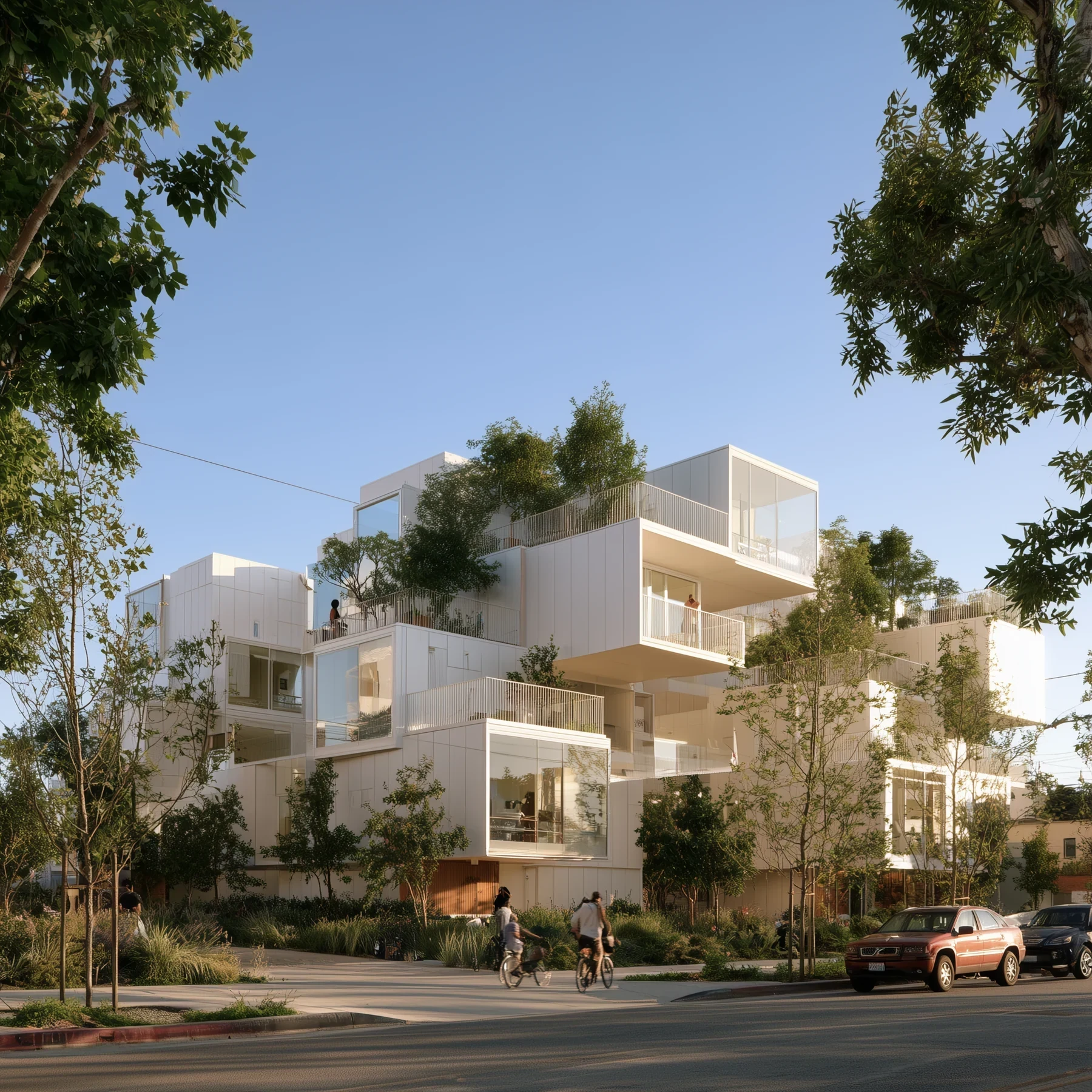
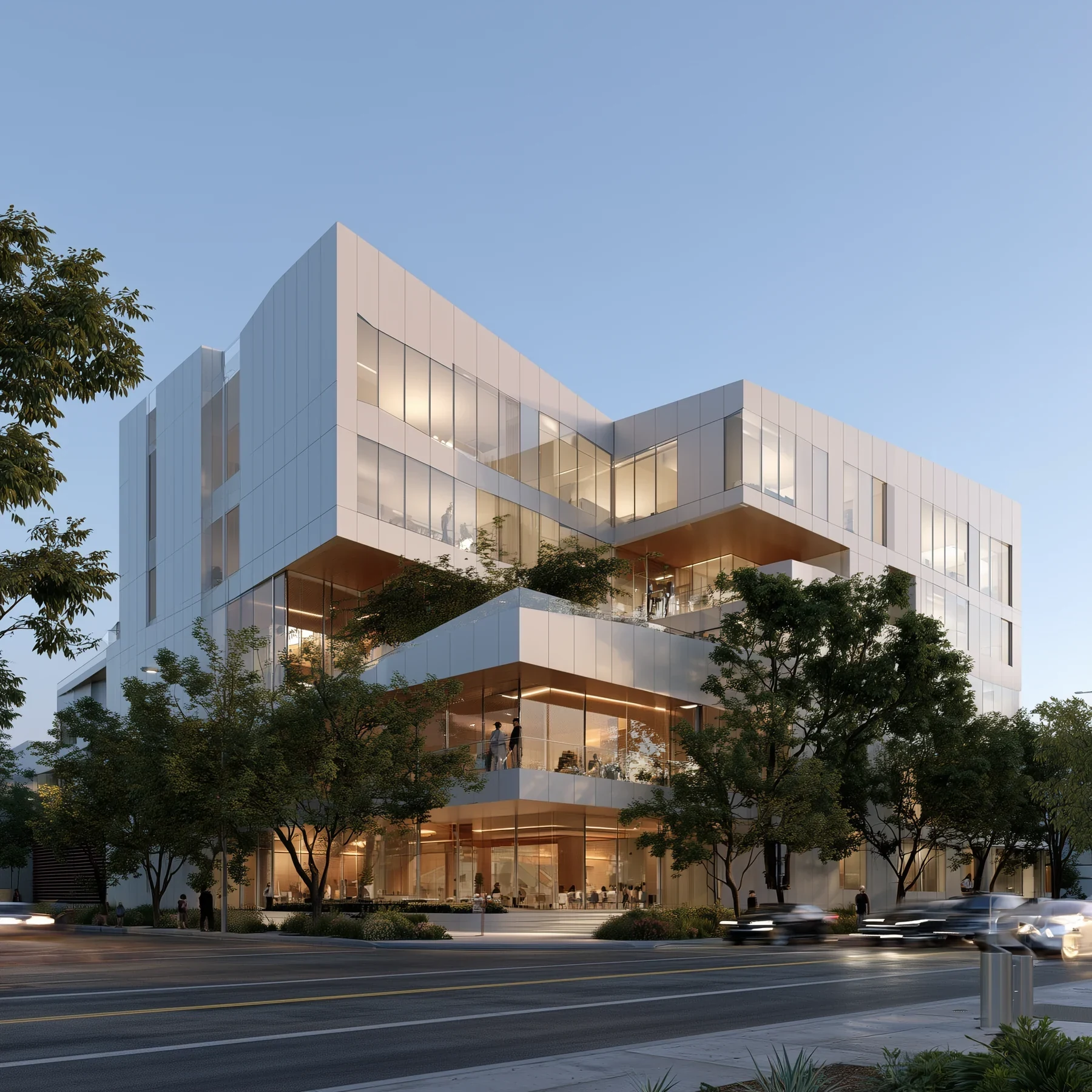
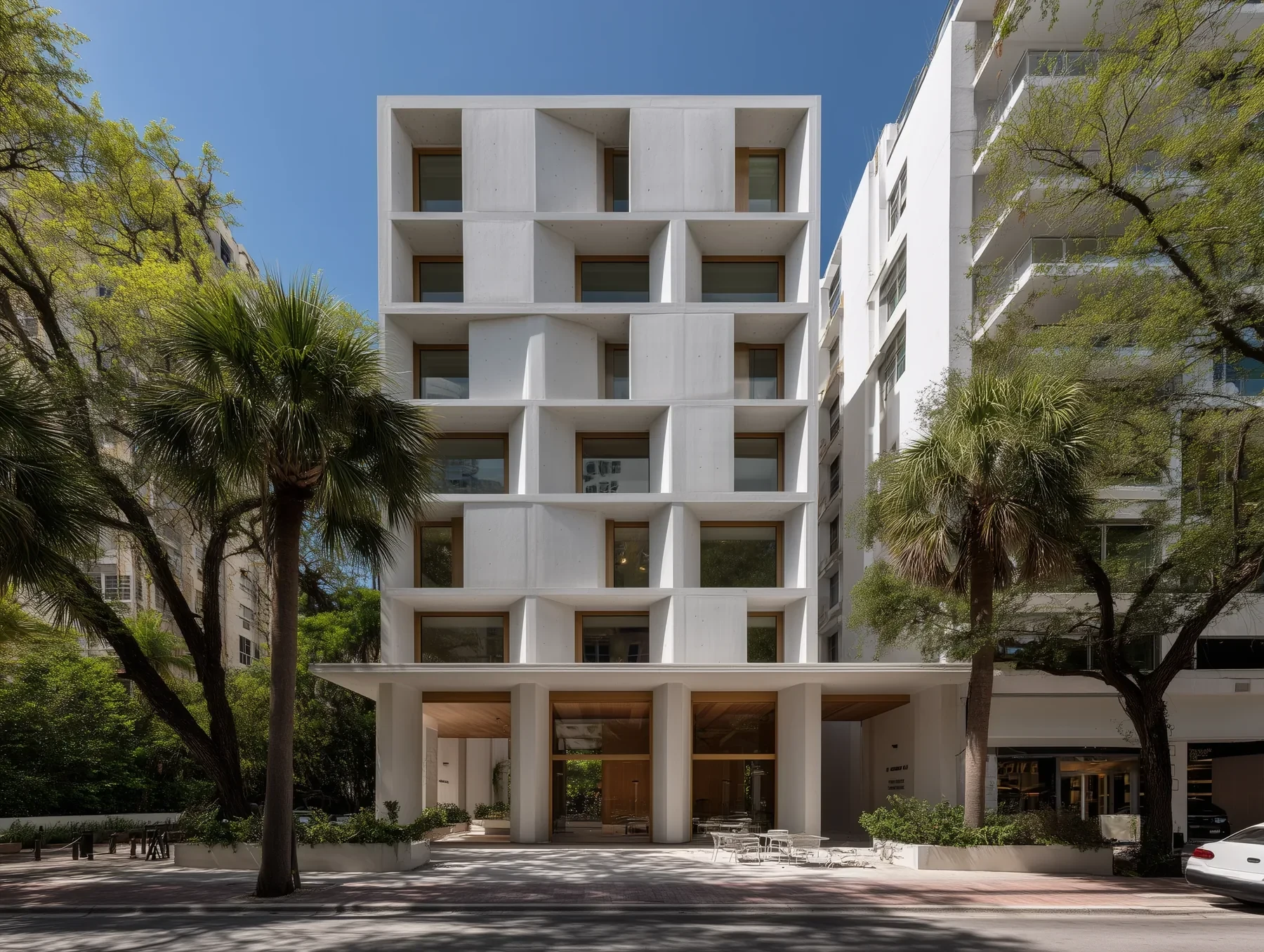
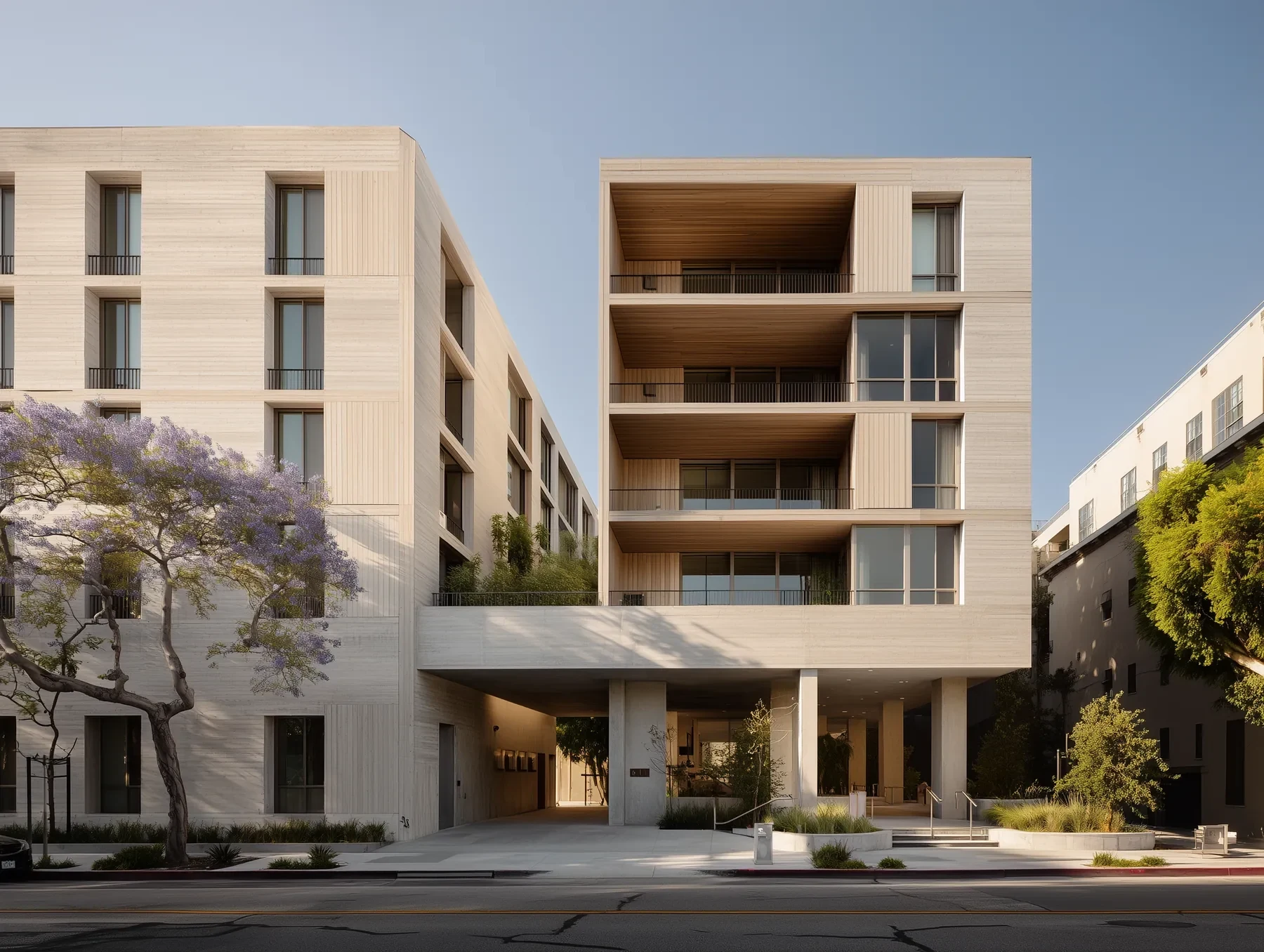
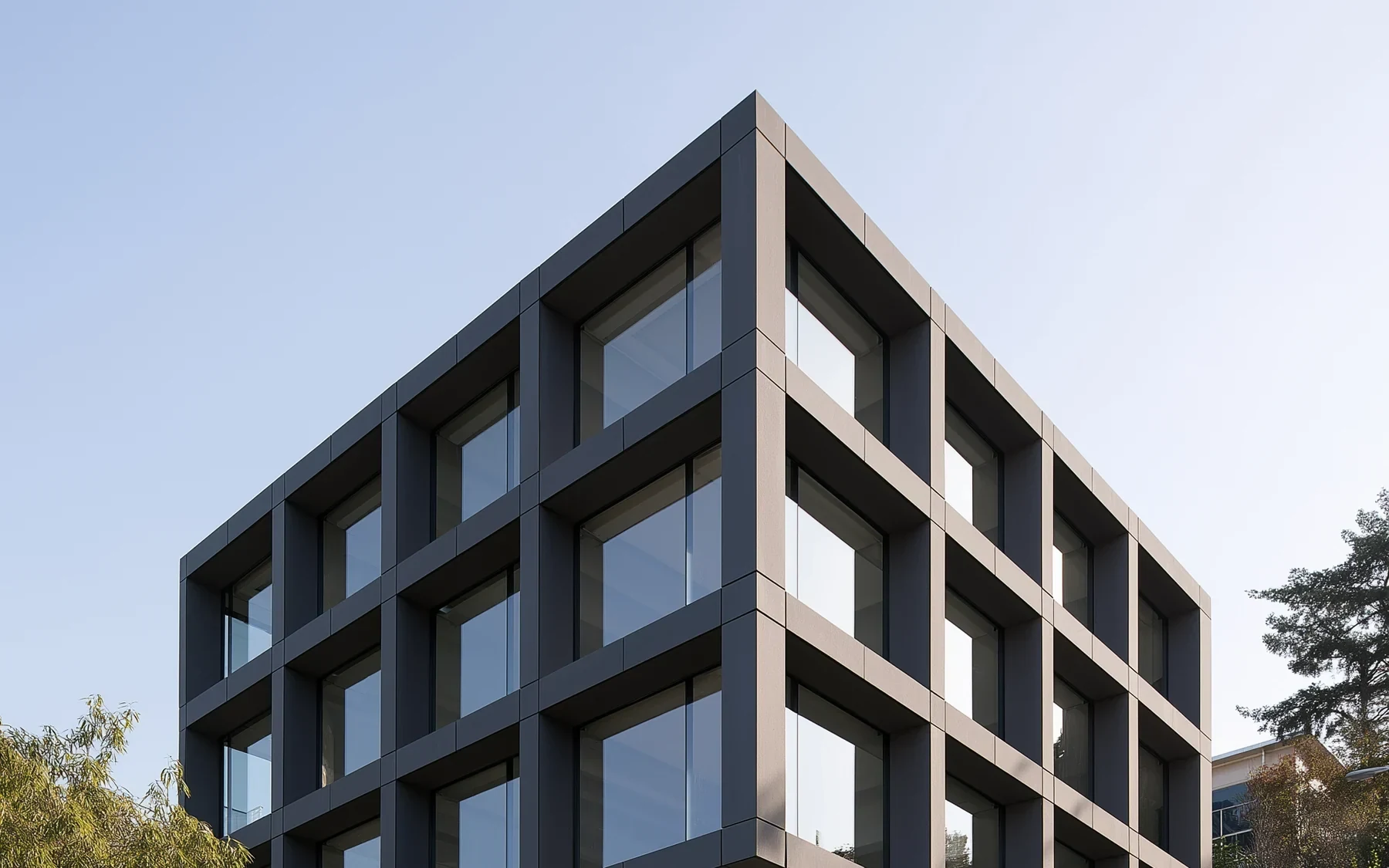
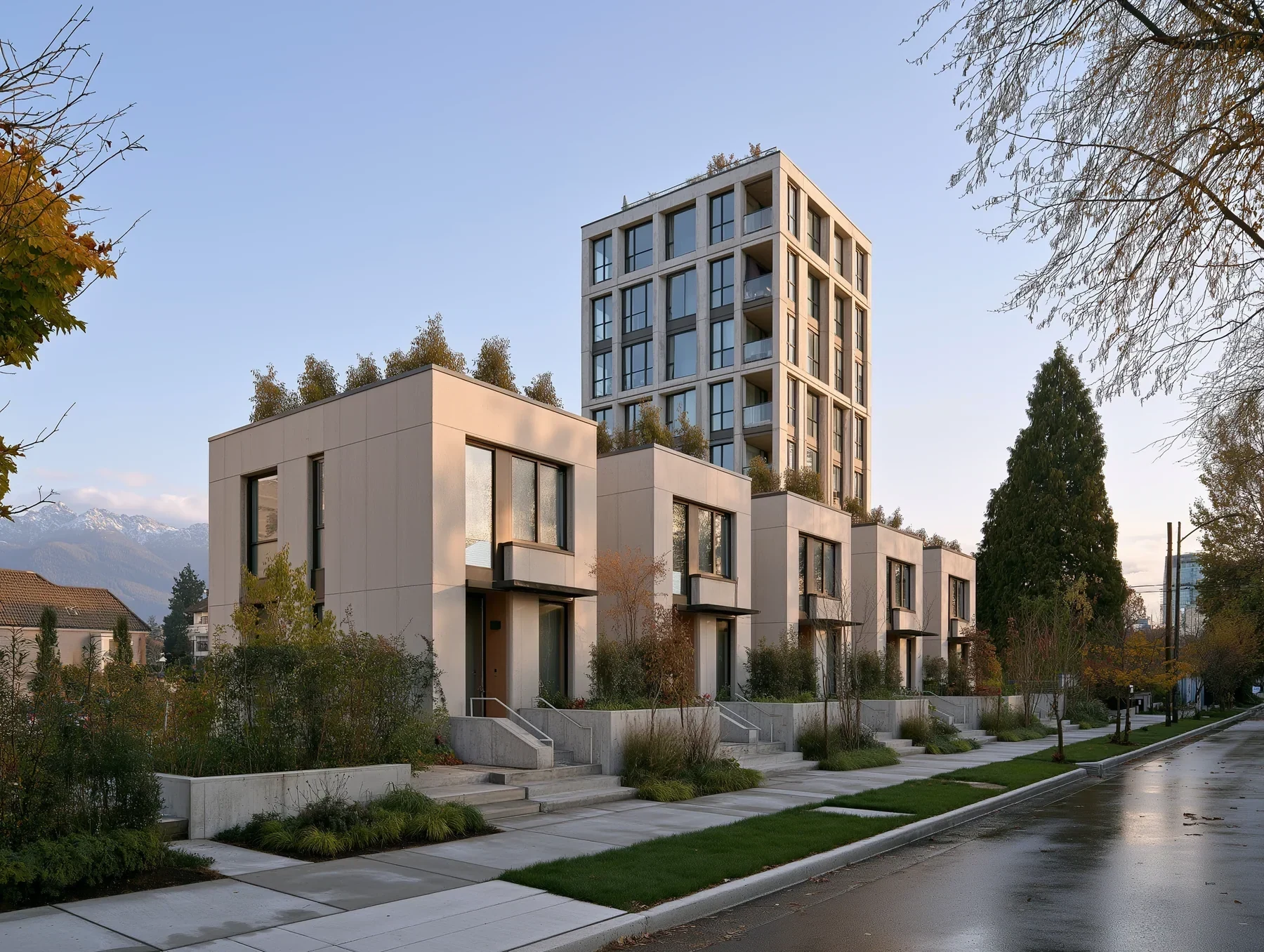
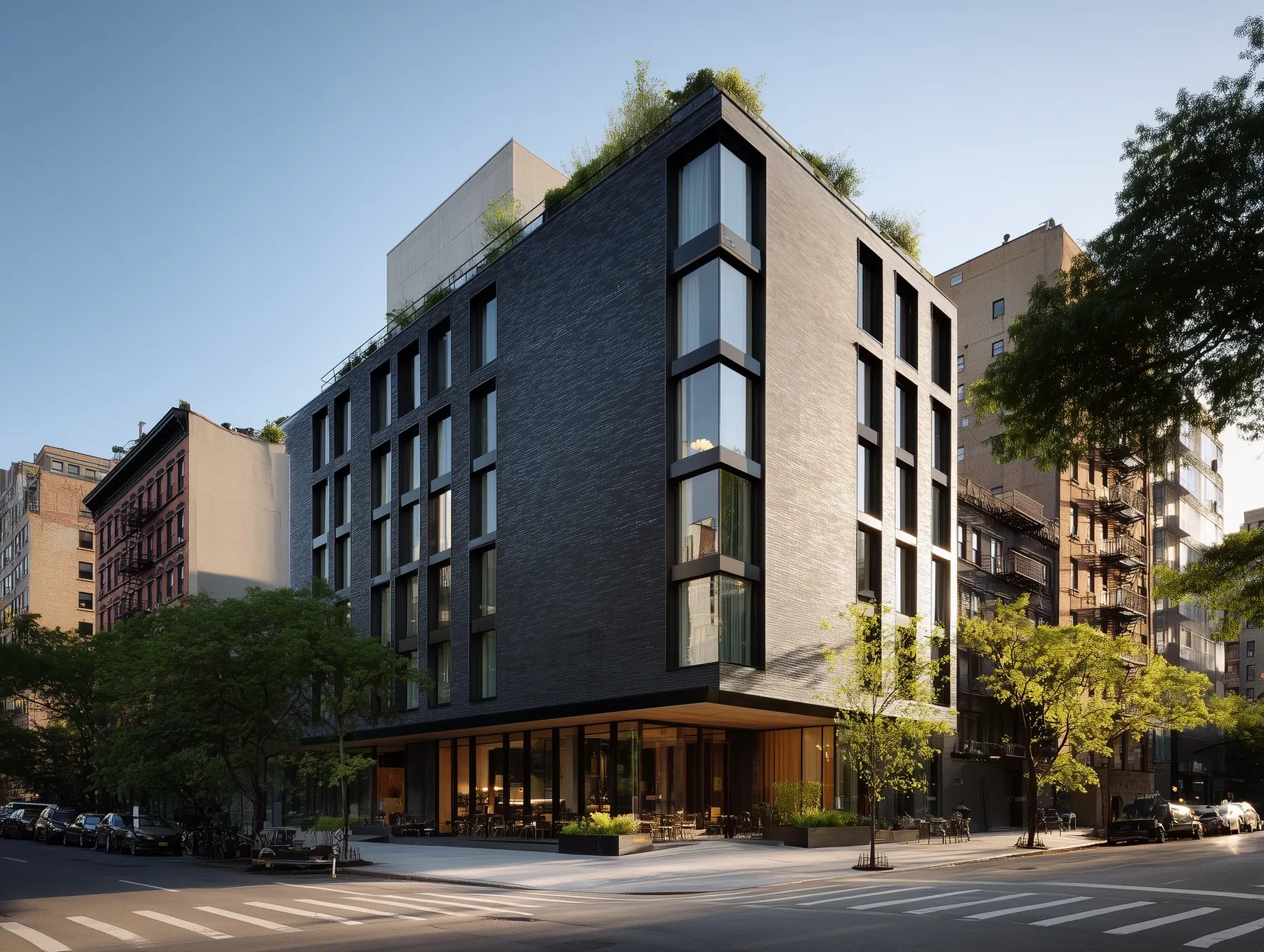
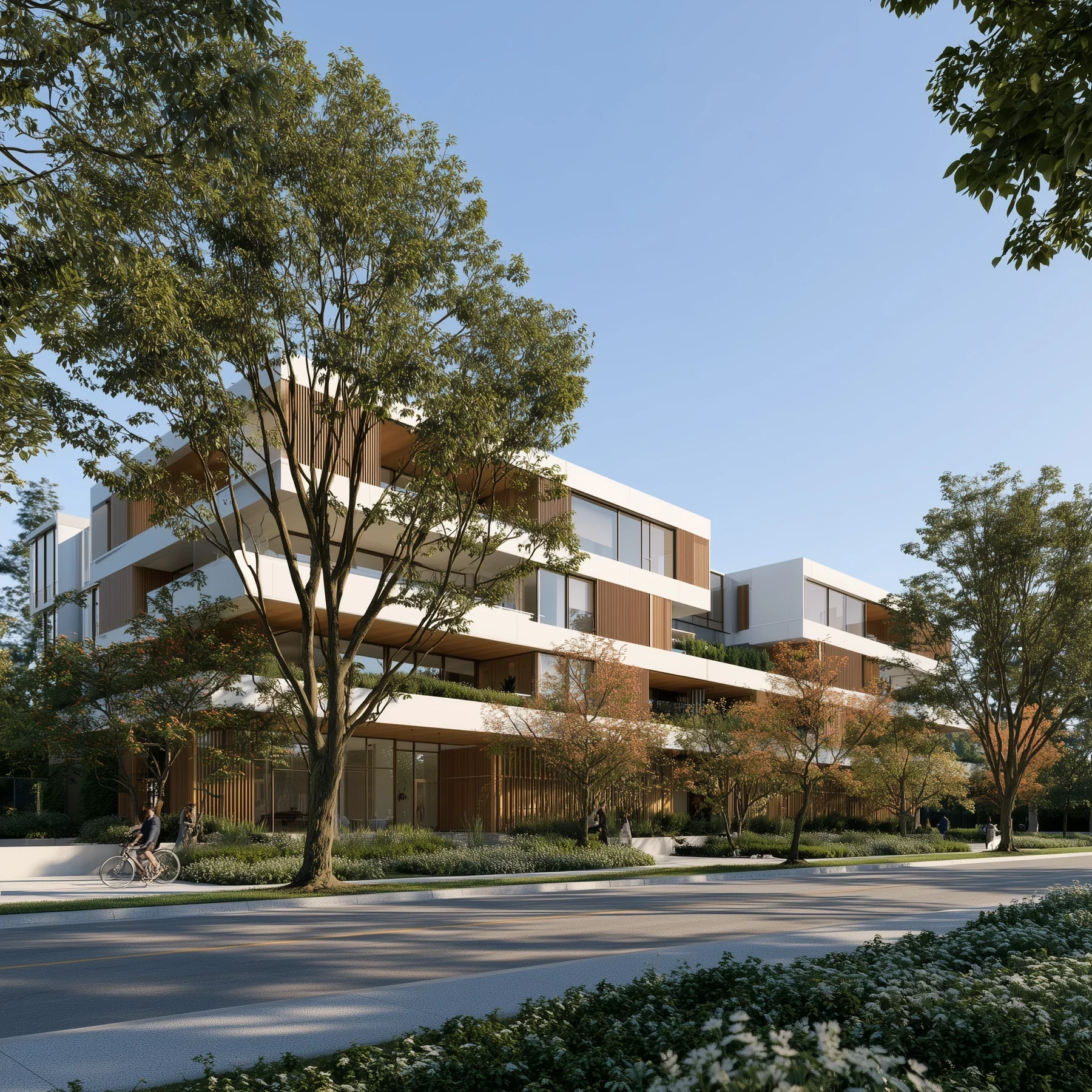
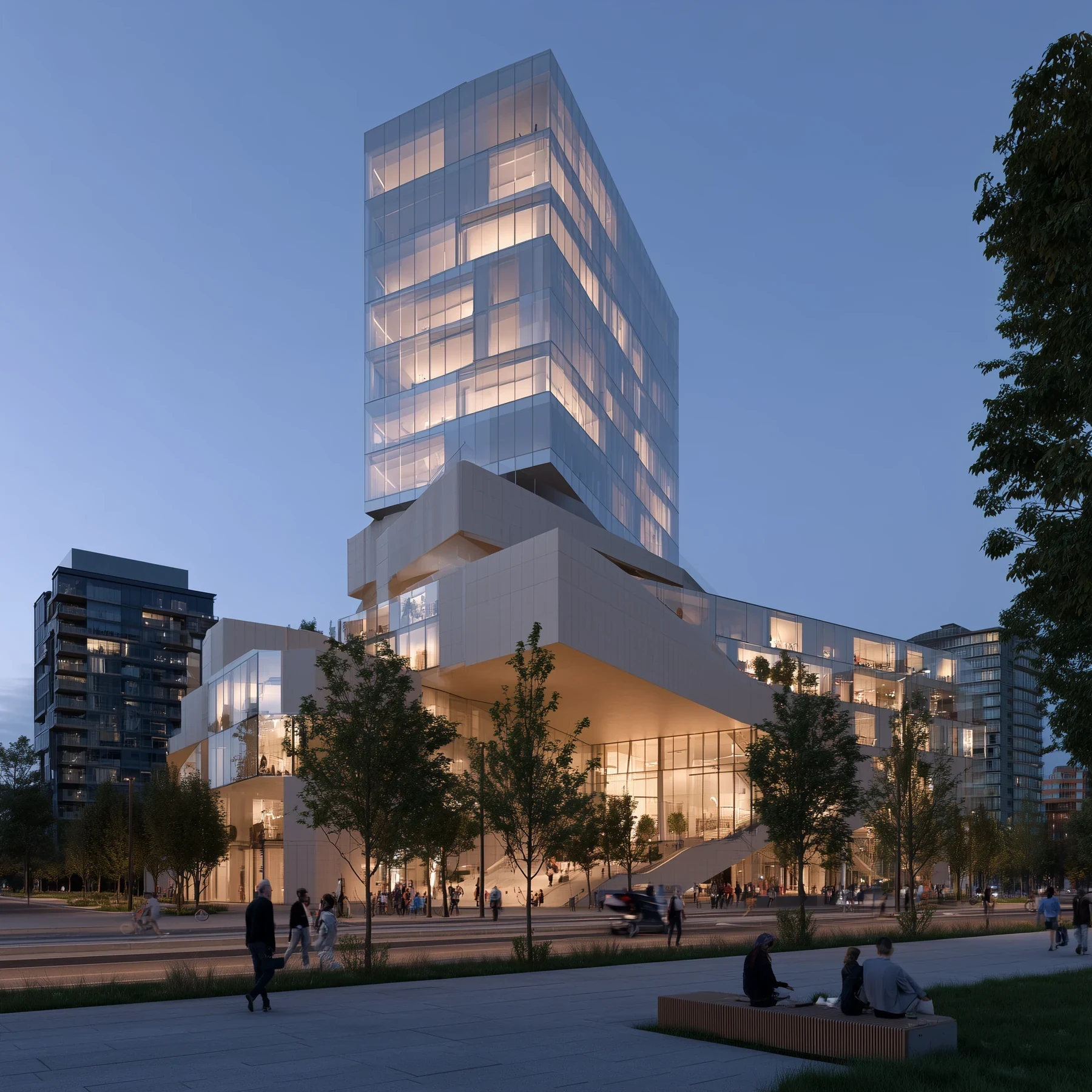
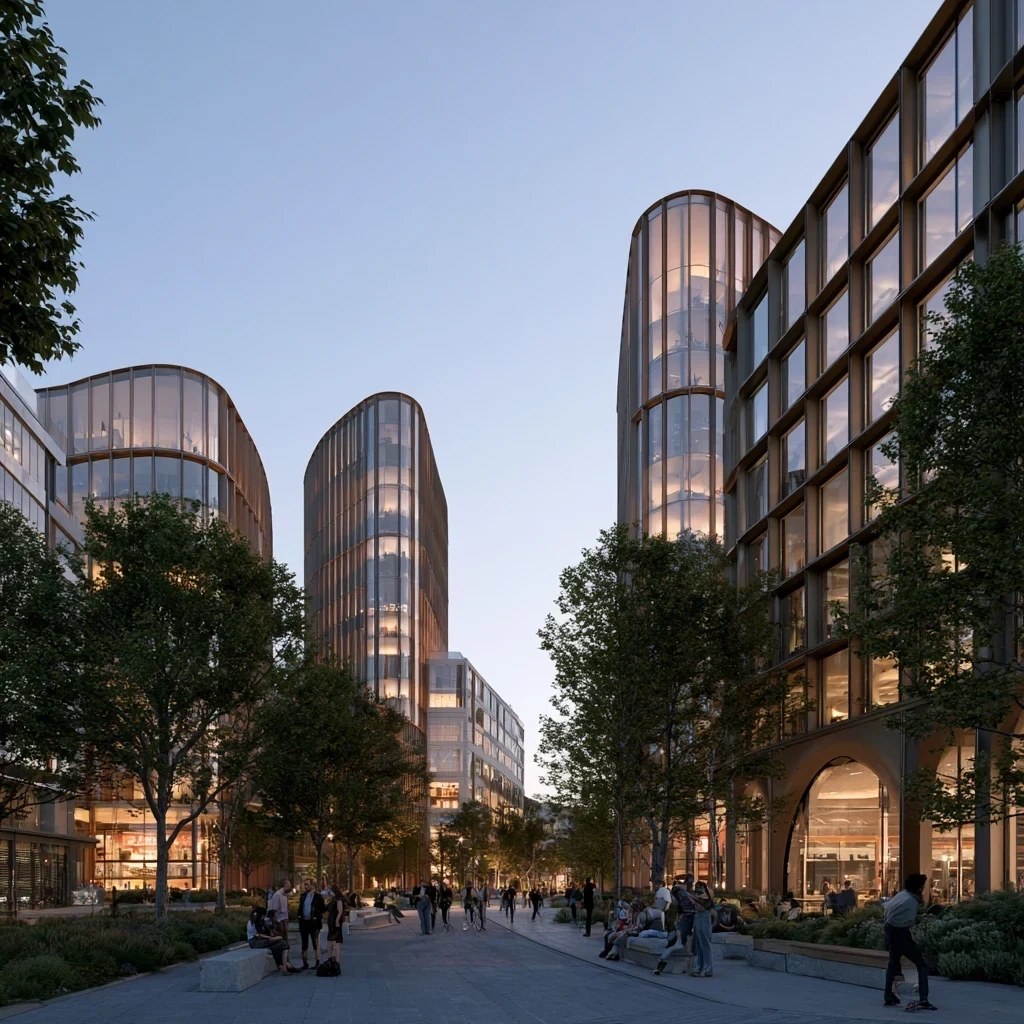
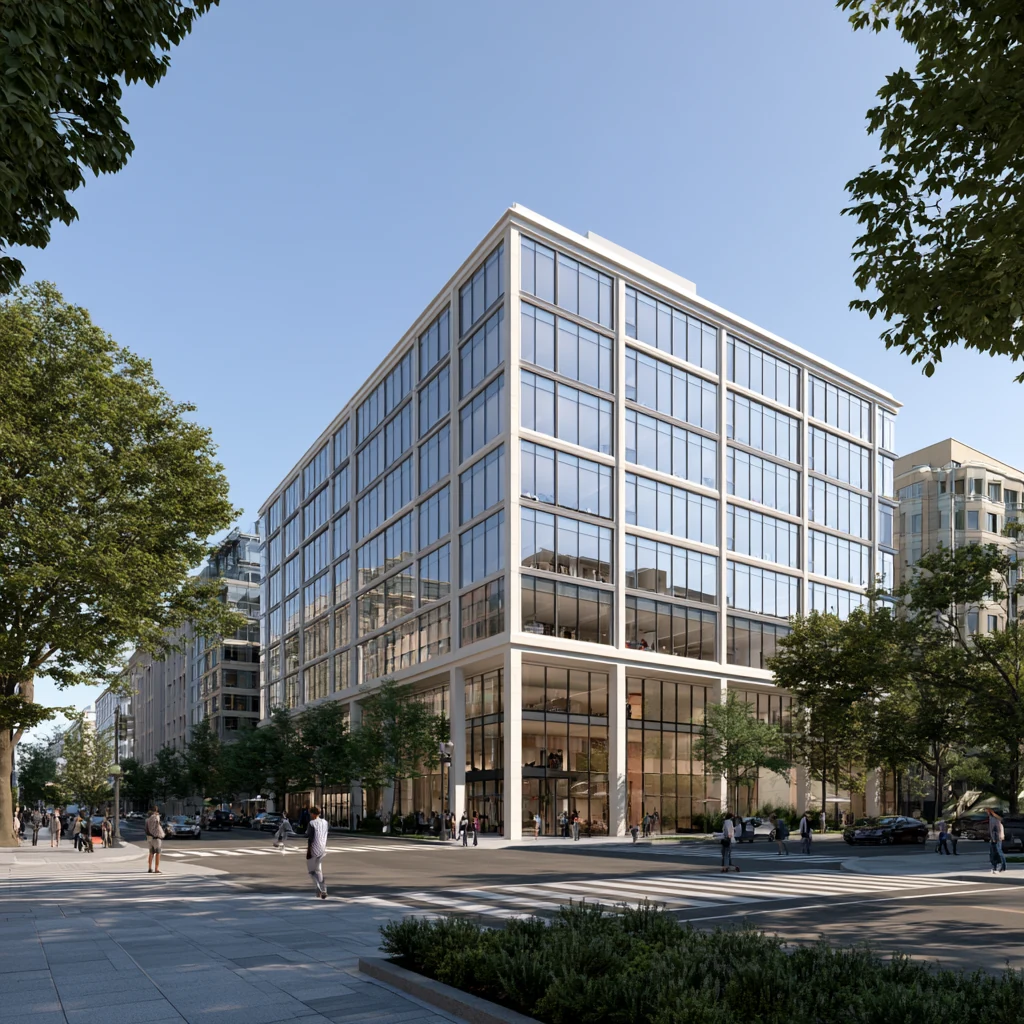
Buildings that belong to the street they are on.
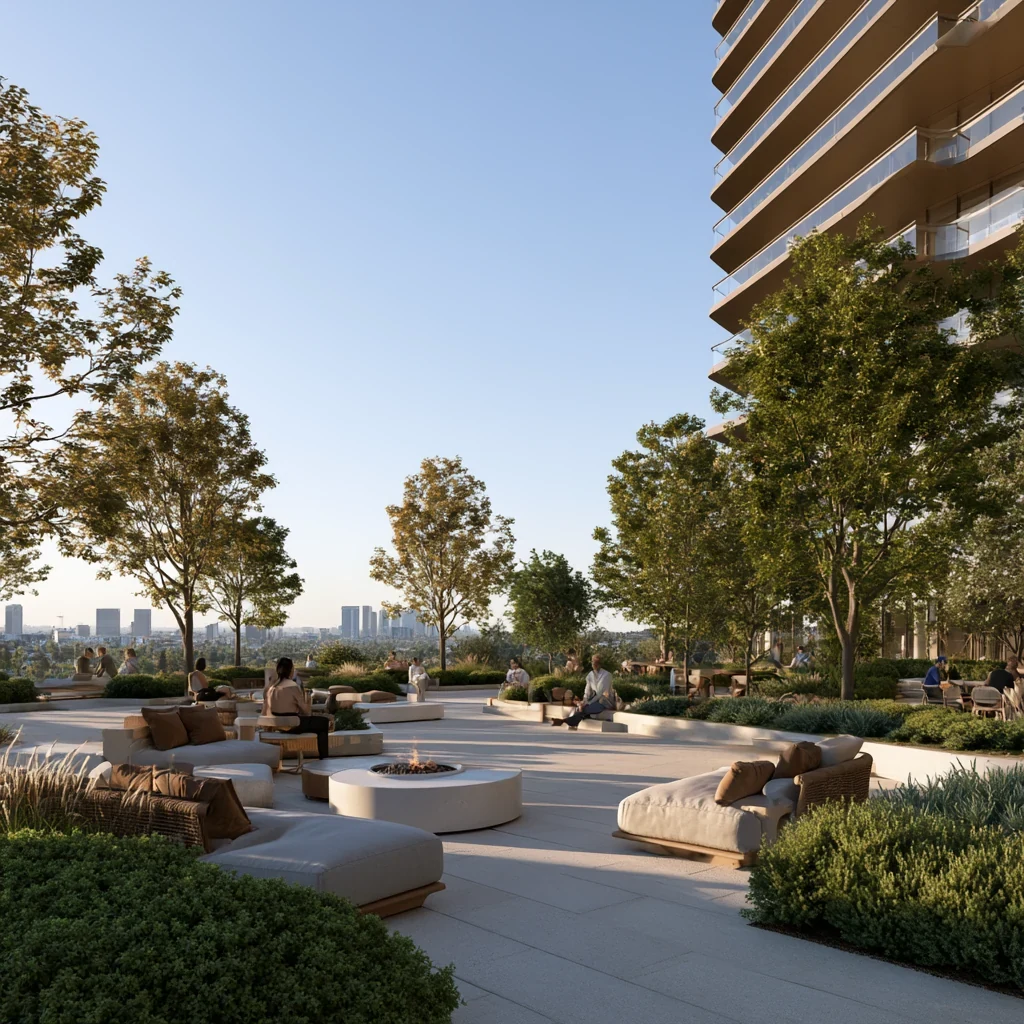
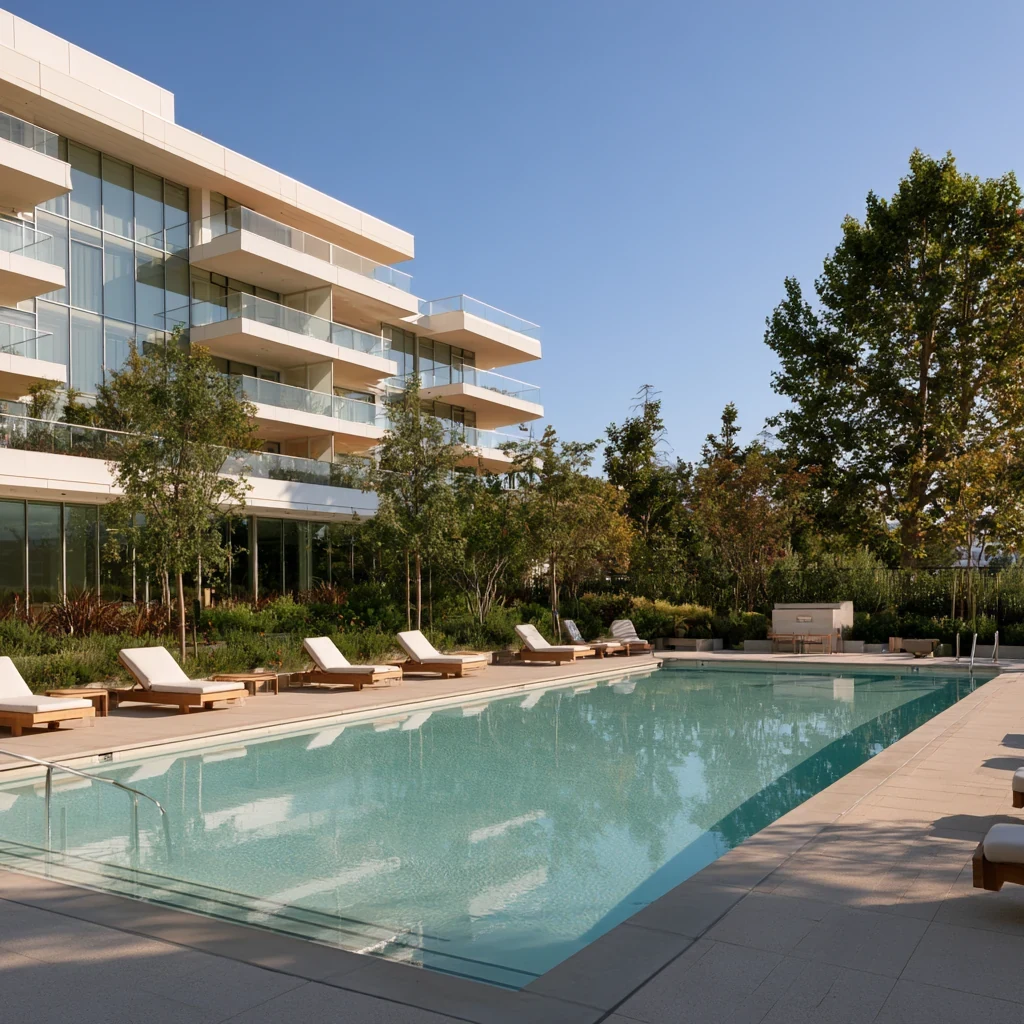
Development is often numbers-driven. The program also answers for what comes after the number: buildings that belong where they are, with units people choose to live in. The numbers are read with human experience in mind: the scale next door, the light, the way people live and meet.
The rules are local. The team is too.
Real estate development is place-specific. Capacity is created state by state and administered city by city. The architects and engineers of record are licensed and local in each market.
The Residential Infill Project put fourplexes on nearly every lot, six with affordability. Better Housing by Design governs the multi-dwelling zones.
HB 1110 put four to six units on single-family lots, MHA upzones carry the corridors, and HB 1491 opens the station areas.
Minneapolis 2040 ended single-family-only zoning citywide and removed parking minimums. Built Form districts govern height and massing.
The MBTA Communities Act put multifamily by right near transit across 177 municipalities. Squares and Streets rezones Boston's own neighborhood centers.
The 2024 Affordable Housing Incentives trade height and parking for affordability, over HB 462 station area plans on the TRAX and FrontRunner corridors.
The Family Zoning Plan adopted in December upzoned the west and north for roughly 36,000 units, with Housing Choice-SF as the local alternative to the state density bonus.
CHIP replaced TOC in 2025. TOIA scales density by transit tier and AHIP covers 100% affordable; Low-Rise (Ord. 188,967) brings SB 79 to RD and R2 lots at half the state figure.
City of Yes added the Universal Affordability Preference and transit-oriented density. 485-x and 467-m carry the tax math for new construction and conversions.
The Housing in Downtown abatement drives office conversion. Inclusionary Zoning and the PUD process govern new construction under the federal Height Act.
Blue Line TOD districts carry the density in Charlotte, and the 2023 UDO opened duplex and triplex by right across the neighborhood districts.
Complete Communities trades FAR up to 6.5 near transit for affordability, stacking with the State Density Bonus and the ADU bonus program.
SB 840 puts multifamily by right on commercially zoned land statewide. Houston has no zoning at all; Dallas relies on planned development districts.
Miami 21 transects with the Public Benefits bonus, the Live Local Act through HB 1389, Special Area Plans at assemblage scale, and county Rapid Transit Zone density.
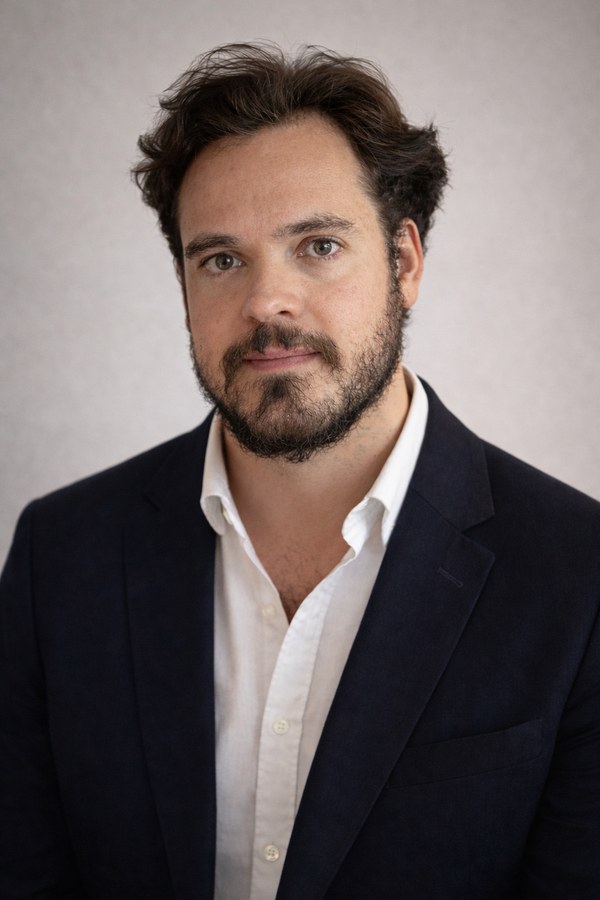
Lucas Rebouças
A project is decided before the first drawing. Everything after is protecting that decision.
I have spent a decade in architecture and development, across multifamily, mixed-use, commercial, single-family, and residential interiors. I have managed entitlement, design, and permitting on roughly 2,500 units, from infill buildings to a 1,241-unit mixed-use development in Los Angeles, and carried several of them through construction. I also designed the operational framework for the largest modular construction project in the United States, where design, procurement, and production had to operate as a single system. TECTO applies that discipline to the full development cycle, from site evaluation through delivery.
Owners, developers, operators, and brokers.
lucas@tecto.group
(323) 760-4611
355 S Grand Ave, Suite 2450 #6002
Los Angeles, CA 90071